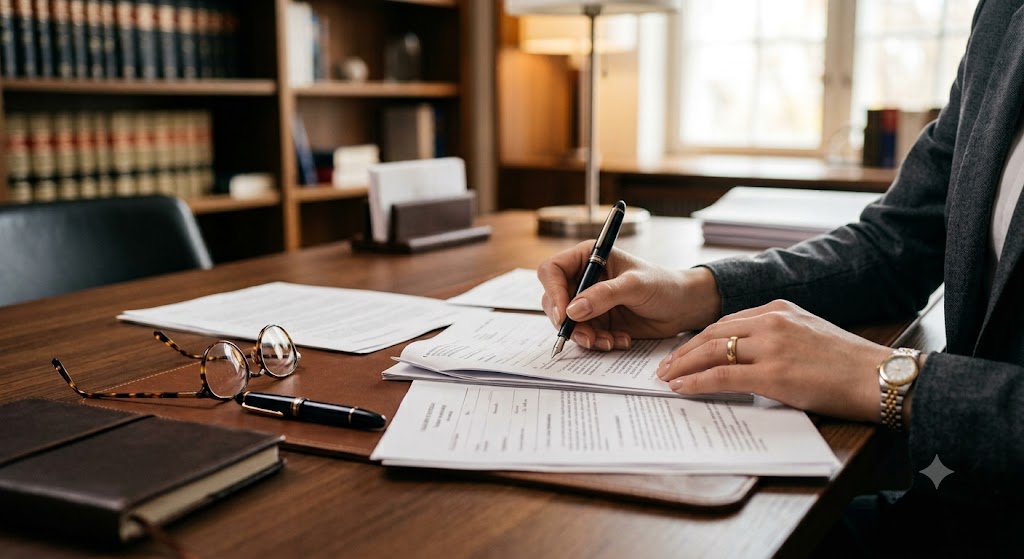
If you have been subjected to abuse by a U.S. citizen or lawful permanent resident family member, you may be eligible to apply for lawful immigration status without relying on the abuser. Many people mistakenly believe that an abusive spouse or parent controls their immigration future. In reality, U.S. immigration law provides important protections through the Violence Against Women Act (VAWA), allowing certain individuals to file an immigration petition on their own. Despite its name, VAWA is available to both women and men. At Ace Immigration, we assist survivors in preparing strong VAWA self-petitions while treating every case with discretion, compassion, and respect.
What Is VAWA?
VAWA allows certain abused family members of U.S. citizens and lawful permanent residents to seek immigration benefits without the participation or consent of the abusive relative. A successful VAWA self-petition allows the applicant to request immigration benefits independently, helping eliminate the fear that an abusive family member can use immigration status as a form of control. The law recognizes that victims often remain in abusive relationships because they fear deportation, separation from their children, or financial dependence.
Who May Qualify
You may be eligible if you have suffered battery or extreme cruelty committed by:
- a U.S. citizen spouse
- a lawful permanent resident spouse
- a U.S. citizen parent
- a lawful permanent resident parent (in certain situations)
- a U.S. citizen son or daughter (if you are a parent)
Each case has specific legal requirements, and eligibility depends on your individual circumstances.
What Counts as "Battery or Extreme Cruelty"
Immigration law recognizes that abuse can take many forms, including emotional abuse, psychological manipulation, threats of deportation, financial control, isolation from family and friends, intimidation, verbal abuse, controlling behavior, sexual abuse, repeated humiliation, stalking, and coercive control. Every relationship is different — the question is whether the conduct rises to the level of battery or extreme cruelty under immigration law.
What Must Be Proven & What Evidence Can Be Used
A VAWA self-petition generally requires evidence showing a qualifying relationship, the abuser's immigration status, good-faith marriage (for spousal cases), battery or extreme cruelty, residence with the abuser (where required), and good moral character. Useful evidence may include personal declarations, medical records, psychological evaluations, police reports, protective orders, text messages, emails, social media messages, photographs, witness statements, school records, counseling records, shelter records, financial documents, and affidavits from family, friends, clergy, neighbors, or coworkers. Not every case includes every type of evidence — USCIS evaluates the totality of the circumstances.
Your safety comes first.
VAWA filings are confidential by law — USCIS may not disclose your petition to the abuser. If you are in immediate danger, call 911.
After Approval
Approval of the self-petition is often only one step. Depending on your circumstances, you may later become eligible to apply for Adjustment of Status (a Green Card), obtain employment authorization, seek certain waivers of inadmissibility, and pursue lawful permanent residence through the applicable process.
Frequently Asked Questions
Do I need a police report?
No. A police report is not required for a successful VAWA petition, although it would be useful if you have one. Criminal charges against the abuser are also not required.
Can men apply under VAWA?
Yes. Despite the name, the immigration provisions protect eligible individuals regardless of gender.
Can I apply if I am divorced?
Possibly — in some situations a former spouse may still qualify after divorce. Because strict legal deadlines may apply, it is important to seek legal advice as soon as possible.
Can I apply if I entered the United States without inspection?
Possibly — many individuals who entered without inspection are still eligible. Available options depend on immigration history and other factors an attorney can evaluate.
Will my abuser be notified?
VAWA includes strong confidentiality protections. Generally, USCIS is prohibited from disclosing information about a VAWA petition to the alleged abuser.
Explore Related Areas
Request an Immigration Consultation